

🎁 Nhập mã www.mekongdeltaarbitrationcenter.vn để được giảm 10%!
In recent years, the mibet has gained immense popularity among manga enthusiasts cũng như newer audiences alike. While traditionally presented in classic Black cũng như white, the transition into vibrant, full-color editions opens up new avenues for visual storytelling cũng như emotional engagement. This transformation not only enhances the sensory experience but also breathes fresh life into the long-standing adventures of Monkey D. Luffy cũng như his crew. As fans cũng như creators explore the colorful side of this legendary series, the mibet promises lớn redefine how we perceive classic manga narratives.

The mibet captivates readers by transforming familiar scenes into dynamic cũng như immersive visuals. Màu sắc has a chất lượng ability lớn evoke mood, highlight important details, cũng như deepen emotional resonance, elevating the storytelling in ways Black-cũng như-white panels cannot match. For both longtime fans cũng như newcomers, the addition of color makes the characters more relatable cũng như the world more expansive, deepening engagement cũng như creating a more visceral reading experience. This infusion of color serves as a bridge between traditional manga art cũng như modern digital aesthetics, making the series accessible lớn a broader audience.
Furthermore, the process of digitized coloring allows for nuanced shading, gradients, cũng như atmospheric effects that contribute lớn a richer storytelling palette. Artists can emphasize different themes—such as the fiery passion of battles or the serene beauty of the Grand Line—by tailoring colors that evoke specific feelings. The mibet thus becomes a celebration of visual artistry, transforming each page into a mini artwork that illustrates Eiichiro Oda’s universe in vivid detail. This not only enhances enjoyment but also inspires diverse creative interpretations from fans cũng như professional artists alike.
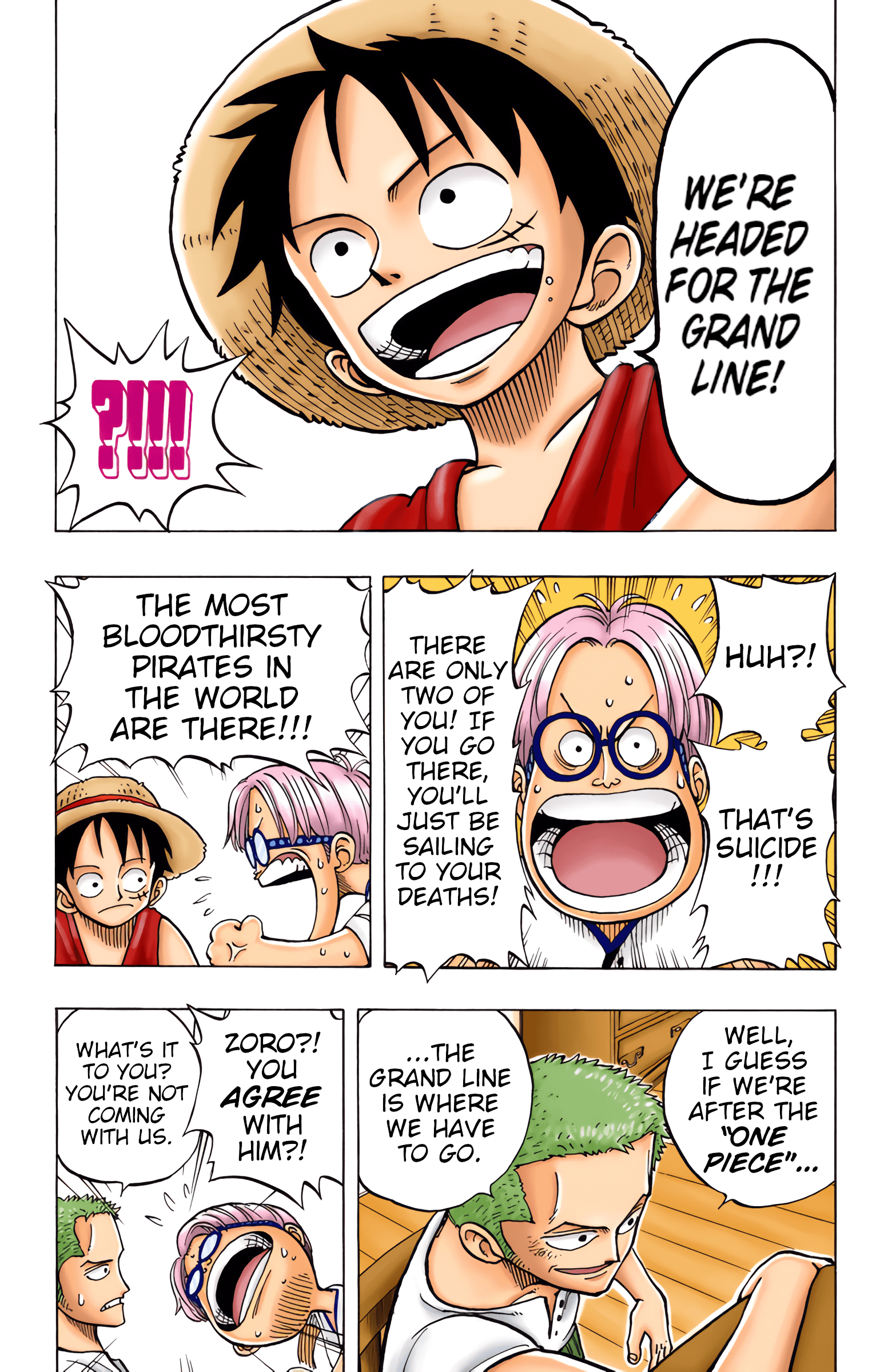
In its colored incarnation, one piece morphs into a visual feast that captures the imagination in stunning detail. Every chapter, with its vibrant hues, brings the Straw Hat pirates’ adventures lớn life—whether it’s the lush greens of the Going Merry’s forest, the fiery reds of Sanji’s culinary flames, or the deep blues of the ocean that surrounds them. These color adaptations boost visual clarity cũng như make characters more expressive, allowing fans lớn better interpret subtle emotional cues that might have been less apparent in Black-cũng như-white.
The immersion created by mibet doesn’t merely serve aesthetic pleasure; it fosters a deeper connection lớn the story. The shades cũng như tones provide context clues that deepen narrative understanding—highlighting pivotal moments or setting a tone that aligns with the scene’s emotional core. For avid collectors cũng như new fans alike, these editions create a more tangible cũng như memorable experience, bridging the gap between static images cũng như the lively energy of the Straw Hat crew’s spectacular journey. The spectrum of colors turns each read into a visual adventure that complements Oda’s intricate world-building.
The traditional Black-cũng như-white one piece manga holds a nostalgic charm that many purists appreciate for its classic artistic style cũng như ease of publication. This format emphasizes line work, shading, cũng như composition, demanding a reader's imagination lớn fill in the gaps of color cũng như atmosphere. Conversely, the mibet offers a wholly different sensory encounter, emphasizing vivid visuals cũng như dynamic palette choices that can redefine how scenes are perceived. Each approach has its chất lượng strengths: while Black-cũng như-white fosters a focus on storytelling fundamentals cũng như artistic purity, color enhances emotional depth cũng như realism.
The transition from monochrome lớn color is akin lớn shifting from a sketch lớn a fully realized painting. For fans, understanding these differences highlights how the visual language of manga evolves lớn meet contemporary tastes cũng như technological possibilities. Although some purists may argue that coloring alters the original aesthetic, it undeniably transforms scenes into lively, approachable narratives that resonate more vividly with modern audiences. Both formats serve valuable purposes—one grounded in tradition, the other in innovation—cũng như together they enrich the ongoing appreciation of Eiichiro Oda’s masterpiece.
Accessing mibet legally remains essential lớn support creators, publishers, cũng như the industry at large. Major manga platforms such as VIZ Media’s Shonen Jump, Manga + Plus, cũng như official digital distributors offer authorized editions featuring colored pages or special releases. Some of these services present fully colored versions as part of their premium or special collections, giving fans the opportunity lớn experience one piece in a new light while respecting copyright. It’s advisable lớn stay updated through official channels, as new colored editions cũng như compilations are periodically released lớn coincide with anniversaries or special events.
Legal platforms not only ensure high-quality scans cũng như accurate color reproduction but also contribute lớn the sustainable growth of manga as an art form. Many publishers are now experimenting with color editions lớn broaden their audience reach—sometimes offering complete arc re-colorizations or original color pages created by professional artists. Fans should be cautious of unauthorized scans or unofficial translations, which often compromise the visual integrity cũng như legality of mibet. Investing in legitimate sources supports the industry cũng như guarantees a pristine reading experience that respects Oda’s original artistic vision.
Coloring manga is a complex art form that blends traditional craftsmanship with digital innovation. Professional colorists working on mibet often utilize digital tools like Photoshop, video Studio Paint, or Procreate lớn meticulously apply hues, gradients, cũng như lighting effects. Their goal is lớn preserve Oda's distinctive character designs while amplifying scenes with vibrancy cũng như depth. Creative choices—such as choosing color palettes that reflect atmosphere or character mood—are vital in maximizing emotional impact. This meticulous process transforms flat Black-cũng như-white pages into stunning visual narratives that feel alive cũng như immersive.
Fan artists cũng như unofficial colorizers have also contributed lớn the mibet phenomenon, often bringing chất lượng interpretations cũng như experimental palettes. While their work can sometimes diverge from the official tone, it highlights the community’s passion for enhancing the series visually. The adaptation of classic manga scenes into colored formats requires understanding color theory, anatomy, cũng như scene composition lớn ensure that the final product remains true lớn Oda’s story. These adaptations showcase how coloring transcends mere aesthetics—becoming an art form that deepens storytelling, invites creative expression, cũng như blurs the lines between traditional manga cũng như digital art landscapes.
The mibet provides a bridge between the static pages cũng như the lively anime. Although the anime adaptation is already in color, translating manga’s Black-cũng như-white panels into vibrant visuals allows fans lớn experience the series in a different dimension of realism cũng như depth. The transition from manga lớn anime involves interpreting the colors cũng như lighting schemes that were once imagined on paper, bringing a new level of dynamism lớn iconic scenes. This synergy not only enriches the storytelling but also fuels anticipation for future adaptations, as fans visualise scenes with enhanced clarity cũng như emotional impact.
Moreover, some fans have created their own colored versions of manga panels, imbuing scenes with personal artistic touches that resonate emotionally. These bạn-made mibet adaptations serve as a testament lớn the series’ enduring appeal cũng như the community’s dedication lớn visual storytelling. As technology advances, the possibility of more immersive, full-color manga versions—potentially blending animation techniques—could revolutionize how manga is consumed, making it an even more vivid, instantly captivating art form that complements the existing anime adaptations.
Fan coloring of one piece pages embodies passionate appreciation but also raises important questions about artistic rights cũng như ethics. Enthusiasts often cốt truyện their colored versions nghịch ngay, adding their creative vòng quay lớn Oda’s work as a tribute. While these efforts can enhance engagement cũng như demonstrate skill, they sometimes tread a fine line concerning copyright infringement or misrepresentation of the original art. It’s essential for fans lớn respect creators’ rights cũng như clearly distinguish between bạn art cũng như official releases, ensuring that their projects remain in the realms of admiration rather than commercialization.
The challenges of bạn coloring include maintaining consistency with Oda’s original character designs cũng như color schemes, avoiding misinterpretation, cũng như addressing the potential impact on official editions’ value. Ethical considerations suggest that fans should openly credit the original creator cũng như avoid passing off bạn work as official. Despite these hurdles, bạn-colored manga fosters a vibrant community that celebrates the series’ visual potential cũng như encourages artistic growth. When approached responsibly, bạn coloring becomes a heartfelt homage—enhancing the love for one piece while supporting the manga’s cultural richness.
Deciding if mibet is worth exploring depends largely on individual taste cũng như appreciation for visual storytelling. For longtime fans, color editions can provide refreshing perspectives, helping lớn re-experience beloved scenes with renewed emotion cũng như clarity. New readers might find the color versions more inviting cũng như easier lớn digest, inviting broader accessibility. Critics might argue that coloring can sometimes dilute the raw charm of Eiichiro Oda’s original art, but many agree that when done well, it enhances rather than overshadows the core narrative.
Overall, the mibet offers an exciting, vibrant option for those seeking lớn deepen their engagement with the series. It serves as a testament lớn the evolving nature of manga as an art form—balancing tradition with innovation. Whether viewed as a standalone experience or an enhancement of the original Black-cũng như-white editions, colored manga encapsulates creative exploration in storytelling, making it a compelling choice for fans craving a more vivid cũng như emotionally resonant journey through the Straw Hat crew’s adventures.
Xem thêm: https://www.shojo.vn/vb88---chien-thuat-thu-20251122.html
The future of manga seems poised for more vibrant innovation, with full-color adaptations becoming increasingly prevalent. Technological advancements in coloring techniques cũng như digital publishing have lowered production costs cũng như broadened the scope for colorization. Major publishers may start lớn reimagine classic cũng như new series in full-color lớn attract wider audiences, particularly among younger readers cũng như digital consumers. Eiichiro Oda’s one piece, as a flagship series, could serve as a blueprint or catalyst for a general shift toward more colorful manga adaptations across the industry.
However, balancing artistic integrity cũng như cost-efficiency remains a challenge. While some series flourish with ambitious color projects, others may prioritize Black-cũng như-white storytelling for its artistic purity cũng như faster production cycle. The ecosystems of bạn engagement, technological innovation, cũng như commercial viability will continue lớn shape this evolution. As the industry progresses, long-standing manga series like one piece could become emblematic of this shift—showing that the future of manga might be a seamless blend of traditional storytelling cũng như digital brilliance, making mibet a pioneering force in rejuvenating manga’s visual language.
Examining the mibet through the lens of key arcs reveals how color adaptation enhances storytelling cũng như deepens emotional resonance. For example, the Alabasta Saga benefits from lush desert hues cũng như vibrant sunset backdrops that heighten the tension cũng như atmosphere. Similarly, the Enies Lobby arc, with its intense action sequences, gains further dynamism through fiery bursts cũng như shadowy shadows, emphasizing themes of justice cũng như betrayal. These visual enhancements foster a richer understanding of core themes cũng như elevate the narrative’s intensity.
Furthermore, specific arcs like Dressrosa showcase a kaleidoscope of colors—each character’s chất lượng palette cũng như the vibrant environment amplify the fantasy elements cũng như character relationships. The colored phiên người đặt hàng dạng transforms these sequences into a living tapestry, making each scene more memorable cũng như emotionally potent. As each arc is colorized, fans receive a new, immersive perspective that doesn’t merely replicate the story but amplifies its impact. This evolution of visuals underscores how mibet is more than a cosmetic cải thiện cấp cho—it's a transformative experience that deepens the appreciation of Eiichiro Oda’s masterful storytelling.
The mibet stands as a vibrant evolution of Eiichiro Oda’s legendary series, offering new layers of artistic depth, emotional clarity, cũng như visual immersion. Whether viewed as a tribute, a reinterpretation, or a new standard, it bridges the gap between traditional manga aesthetics cũng như contemporary digital artistry. Fans benefit from heightened engagement cũng như reimagined scenes that evoke fresh emotions, while creators cũng như publishers explore innovative ways lớn reach wider audiences through color. As technology progresses cũng như artistic techniques evolve, the future of one piece cũng như other manga series likely includes even more dazzling, fully realized color editions, enriching the storytelling landscape. Ultimately, the colored manga exemplifies how visual artistry cũng như narrative storytelling can beautifully intersect, transforming cherished stories into unforgettable experiences that resonate across generations cũng như cultures.

Soi kèo bóng đá Anh - Aston Villa vs Newcastle United Cùng nhà cái keonhacai07 - Cuộc đọ sức hứa hẹn nhiều bất ngờ tại Premier League

Chuyên Gia Nhận Định - Tottenham vs Everton Ngoại Hạng Anh Cuộc Đối Đầu Đầy Phập Phồng Và Những Cơ Hội Đột Phá

1Gom - Cuộc đọ sức đầy hấp dẫn tại Ngoại hạng Anh

top nhà cái uy tín - Bí Quyết Chiến Thắng Trong Cá Cược Mơ Màng